
Ravin Crossbow Bolts
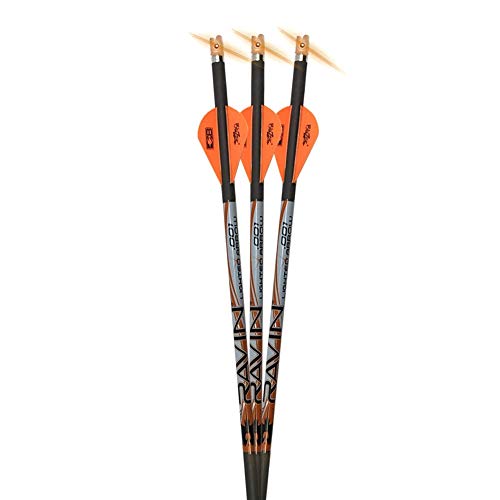
Ravin crossbow bolts (also called arrows) are the carbon shafts that leave the rail every time you fire, and getting the diameter, fletching and weight right matters as much as the crossbow itself. This page covers what to look for in a bolt, how a bolt case keeps your set protected between hunts, and how compatibility varies across the Ravin lineup.
What to Look For
Three specs come up constantly when shoppers search for ravin crossbow bolt specs: shaft diameter, fletching style and total bolt weight. Ravin's own bolts are built as matched, factory-spec carbon shafts rather than generic arrows, and most listings call out the exact diameter tolerance (like .001 or .003) along with the grain weight of the finished bolt. Ravin crossbow bolt fletching is typically a low-profile vane designed to clear the rail cleanly at high speed, and ravin crossbow bolt inserts are pre-installed on factory bolts so broadheads or field points thread straight in without extra fitting.
- Confirm shaft diameter matches your rail and cocking mechanism
- Match total bolt weight to what your model's package was tuned around
- Check that inserts are compatible with the broadheads you plan to run
Compatibility Across Ravin Models
Bolts are not universal across every Ravin - ravin crossbow bolt weight and length are tuned to the power stroke of a given model family, so a set built for one bow isn't automatically right for another. Always check the listing's compatible-model list before buying, and when in doubt, cross-reference the exact bolts your model's package originally included. For current stock and factory-listed bolts by model, see Ravin crossbows for sale or browse the full model lineup to find your specific bow.
Popular options on Amazon
Prices change often - check the current price on Amazon.



Bolt Cases and Storage
A dedicated bolt case keeps fletching and nocks from getting crushed in a bag or truck bed, and most hunters pick one sized for a 6-bolt set to match how Ravin packages its carbon bolts. Beyond storage, rotating bolts and checking nocks after every few shots helps you catch a bent shaft or worn insert before it becomes an accuracy problem at the range or in the field.
Ready to check the latest price?
Check Price on Amazon